
Digital Detox: Embracing Analog Living for Mental Clarity and Well-Being
Digital detox involves stepping away from screens to embrace analog activities like reading physical books, journaling, nature walks, and mindfulness practices, which reduce anxiety, improve focus, enhance mood, and foster deeper connections for better mental health and clarity.
By Rebecca Mandell RebbecaMotang on February 16, 2026
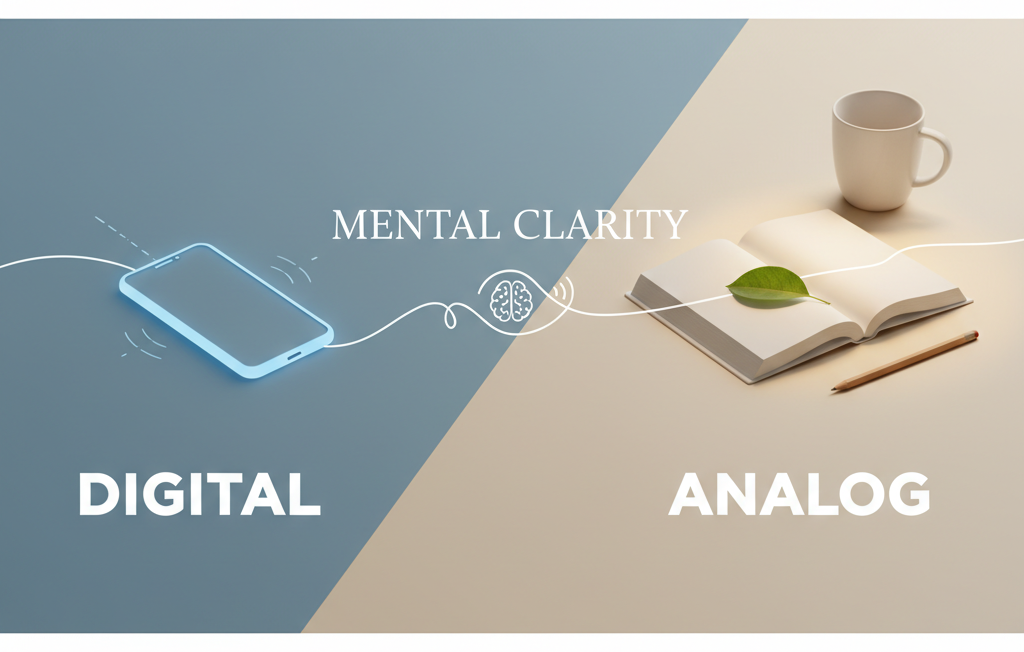
Digital Detox: Embracing Analog Living for Mental Clarity
Imagine waking up in the morning, reaching for your phone, and instead of scrolling through notifications, you pick up a book or head outside for a walk. The concept of a digital detox has gained traction as more people recognize the mental toll of constant connectivity. With a world dominated by screens, embracing analog living may just be the antidote we need for clearer minds and healthier lives.
Key Takeaways
- Digital detoxes help reduce anxiety and improve focus by minimizing distractions from devices.
- Engaging in analog activities, such as reading or journaling, fosters deeper connections and self-reflection.
- Nature walks and outdoor activities enhance mood and cognitive function, providing a natural antidote to screen fatigue.
- Mindfulness practices, like meditation, benefit from reduced digital interference, leading to greater emotional resilience.
- Setting boundaries around device use creates a healthier work-life balance and fosters more meaningful relationships.
- Prioritizing face-to-face interactions over digital communication strengthens social bonds and enhances overall well-being.
- Incorporating periods of unplugging into daily routines can lead to increased productivity and creativity.
The Mental Health Burden of Digital Overload
The irony of discussing digital detoxes in an online space is not lost on anyone. Yet, the reality is stark: excessive screen time correlates with rising levels of anxiety and depression. A 2022 study highlighted that individuals who spend more than two hours daily on social media report higher incidences of mental health issues. The constant barrage of notifications, emails, and digital noise can overwhelm anyone, making it imperative to take a step back.
Transitioning from a digital-heavy lifestyle to one that embraces analog living is not just a trend; it’s a necessary shift for mental clarity. The goal is not to vilify technology but to understand how to leverage it without allowing it to dictate our emotional landscapes.
The Power of Analog Activities
Engaging in analog activities can profoundly impact mental health. Consider the simple act of journaling. Research shows that writing down thoughts and feelings can clarify emotions and reduce stress. Rather than typing away on a device, putting pen to paper can ground you, allowing for self-reflection that often gets lost in the digital shuffle.
Reading physical books is another enriching analog activity. In a world filled with fleeting digital content, immersing yourself in a well-crafted narrative fosters a sense of connection and escape. The tactile experience of flipping through pages can ignite creativity and improve focus, as our brains process information differently when reading from paper versus a screen.
Nature: The Ultimate Digital Detox
Nothing says digital detox like spending time outdoors. Studies have shown that nature can significantly enhance mood and cognitive function. A brisk walk in the park or a hike in the woods not only provides a break from screens but also stimulates mental clarity. The sights, sounds, and smells of nature serve as a natural reset button for the mind.
Incorporating regular outdoor activities into your life can lead to a sustained improvement in mental health. Whether it’s gardening, biking, or simply sitting in a park, these activities encourage mindfulness and presence, allowing individuals to reconnect with themselves and their surroundings.
Setting Boundaries for Better Well-Being
Creating boundaries around digital device usage is essential for promoting mental clarity. Simple practices like designating tech-free zones in the home or setting specific times to check emails can create a healthier environment. Establishing these boundaries allows for more quality time with family and friends, fostering stronger relationships that often suffer under the weight of constant digital distraction.
Moreover, prioritizing face-to-face interactions over digital communication can lead to deeper connections and enhanced emotional support. Engaging in meaningful conversations helps build trust and understanding, essential components for mental well-being.
Embracing Mindfulness in an Unplugged World
Mindfulness practices thrive in a digital-free environment. Meditation, for example, can be significantly more effective when free from the ping of notifications. By embracing moments of stillness and silence, individuals can cultivate emotional resilience and clarity. Mindfulness encourages a deeper connection to one’s thoughts and feelings, allowing for better management of stress and anxiety.
Creating a daily routine that includes moments of unplugging, whether through meditation, yoga, or simply sitting in silence, can profoundly impact mental health. The clarity gained from these practices can lead to increased productivity and creativity—benefits that are hard to achieve in a constantly connected world.
Conclusion: A Challenge to Embrace Analog Living
As the digital landscape continues to evolve, the need for balance becomes ever more critical. Embracing analog living isn’t about rejecting technology; it’s about redefining our relationship with it. By prioritizing mental clarity through digital detoxes, individuals can reclaim their time, improve their mental health, and foster meaningful connections. So why not challenge yourself? Set aside your devices for a day or even a weekend. You might be surprised by the clarity and peace that emerge from unplugging and reconnecting with the analog world.



MORE IN TRENDING

Useful gifts that don’t create clutter - Discover Lifestyle
It’s time to give gifts, and many of us find ourselves asking the same question: what would you like? It can be tough to answer when it often feels as though you already have anything you need. But we want to give a gift. What are we supposed to do? Thankfully, these useful gifts that […]
Adi Liad .
Getting hair extensions for the first time - what you need to know
If you’ve always dreamed of luscious locks but don’t want to wait too long, then hair extensions are the perfect option. They can help hair look healthy, vibrant, denser, and of course, longer. Some people really struggle to grow their hair, whether it’s from heat damage, color damage, or maybe it’s just having the freedom […]
Mia Pazz Maya .

Useful gifts that don’t create clutter - Discover Lifestyle
It’s time to give gifts, and many of us find ourselves asking the same question: what would you like? It can be tough to answer when it often feels as though you already have anything you need. But we want to give a gift. What are we supposed to do? Thankfully, these useful gifts that […]
Adi Liad .

Getting hair extensions for the first time - what you need to know - Discover Lifestyle
If you’ve always dreamed of luscious locks but don’t want to wait too long, then hair extensions are the perfect option. They can help hair look healthy, vibrant, denser, and of course, longer. Some people really struggle to grow their hair, whether it’s from heat damage, color damage, or maybe it’s just having the freedom […]
Mia Pazz Maya .

Useful gifts that don’t create clutter - Discover Lifestyle
It’s time to give gifts, and many of us find ourselves asking the same question: what would you like? It can be tough to answer when it often feels as though you already have anything you need. But we want to give a gift. What are we supposed to do? Thankfully, these useful gifts that […]
Adi Liad .