
Tech-Driven Personalization: How AI Tailors Your Lifestyle with Smart Recommendations
Tech-driven personalization uses AI algorithms to analyze user data and deliver tailored experiences across platforms like Netflix, Spotify, and Amazon. Personalization boosts consumer engagement, with 80% of consumers more likely to purchase from brands offering customized experiences, while improving retention rates by 10-15% and increasing conversion rates up to 300%. However, companies must balance personalization with data privacy concerns and ethical considerations.
By Alzari on February 16, 2026
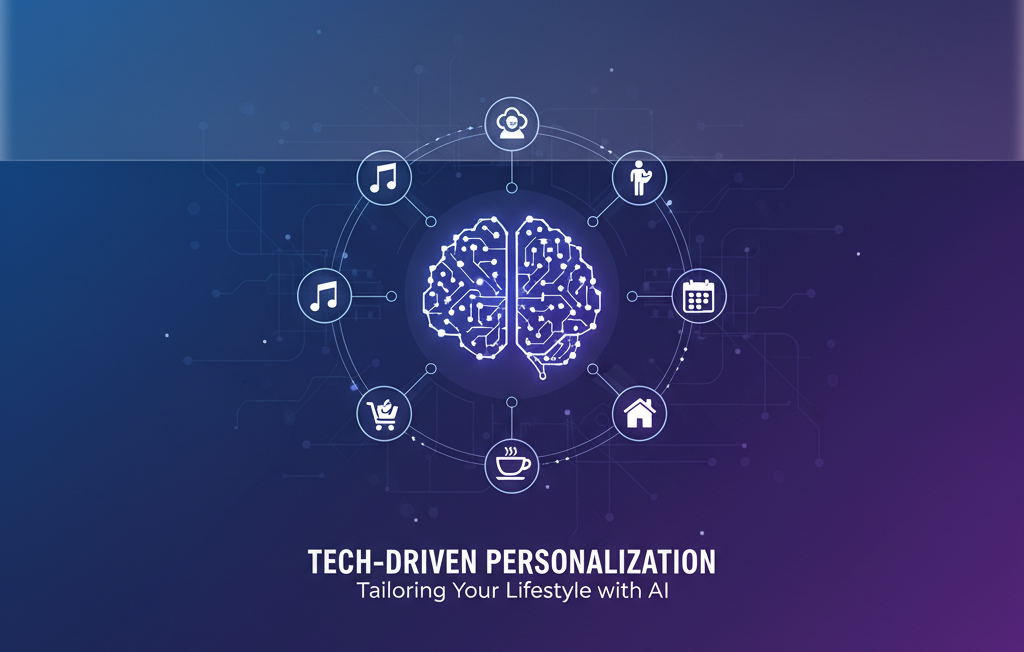
Tech-Driven Personalization: Tailoring Your Lifestyle with AI
Imagine waking up to a world that knows your preferences better than you do. From your morning playlist to your dinner recommendations, technology is increasingly tailoring experiences to fit individual lifestyles. This is the essence of tech-driven personalization—a phenomenon reshaping how we interact with products and services across various sectors.
Key Takeaways
- AI algorithms analyze user data to deliver personalized experiences across platforms like Netflix, Spotify, and Amazon.
- Personalization boosts consumer engagement, with 80% of consumers more likely to purchase from brands offering tailored experiences.
- Smart recommendation systems utilize machine learning to adapt to user behavior in real time, ensuring relevant suggestions.
- Personalization enhances customer loyalty; brands that personalize experiences see a 10-15% increase in retention rates.
- Businesses leveraging AI for personalization can increase conversion rates by up to 300%.
- Data privacy concerns are vital; companies must balance personalization with ethical considerations to maintain trust.
- The future of personalization involves deeper integration with IoT devices, creating a seamless, interconnected lifestyle experience.
The Power of AI in Personalization
Artificial Intelligence is the backbone of tech-driven personalization. It sifts through vast amounts of data—everything from your past purchases to your browsing habits—to create a detailed profile. This profile informs the smart algorithms used by platforms like Netflix and Spotify to recommend content tailored just for you.
Take Netflix, for instance. Its algorithm not only suggests shows based on what you’ve watched but also tailors thumbnails and descriptions to match your viewing habits and preferences. Similarly, Spotify’s Discover Weekly playlist introduces listeners to new music tailored to their tastes, often leading to surprising and delightful discoveries.
The Impact on Consumer Behavior
Personalization isn't just a nice-to-have; it's a game changer in consumer behavior. Studies show that 80% of consumers are more likely to purchase from brands that offer personalized experiences. This statistic isn’t just a buzzword—it reflects a fundamental shift in how customers engage with brands.
For example, Amazon’s personalized recommendations account for 35% of its total sales. When you log in, you’re greeted with products tailored to your previous searches and purchases. This level of customization not only enhances the shopping experience but also builds a deeper connection between the consumer and the brand.
Smart Recommendations in Real Time
The magic of tech-driven personalization lies in its ability to adapt in real time. Machine learning algorithms analyze user interactions continuously, refining recommendations based on immediate feedback. This dynamic approach ensures that suggested products or content remain relevant.
Consider a fitness app like MyFitnessPal. As users log meals and workouts, the app uses this data to suggest meal plans or workouts that align with individual fitness goals. This kind of real-time personalization can make the difference between staying motivated or losing interest.
Building Loyalty Through Tailored Experiences
Brands that embrace personalization often see a significant boost in customer loyalty. Data indicates that personalized experiences can improve retention rates by 10-15%. When customers feel understood and valued, they are more likely to stick around.
Take Starbucks as an example. The Starbucks app not only allows users to order ahead but also remembers their favorite drinks, offering tailored promotions based on their purchase history. This kind of personalization fosters a sense of belonging and preference, transforming casual customers into loyal patrons.
Navigating Data Privacy Concerns
As valuable as personalization is, it comes with its own set of challenges—most notably, data privacy. Consumers are increasingly aware of how their data is used, leading to heightened concerns about privacy and security. Brands must navigate these waters carefully, balancing personalization and ethical data use.
Implementing transparent data practices is essential. Consumers should know what data is collected, how it’s used, and have the ability to opt out if they choose. Companies that respect user privacy while providing personalized experiences will likely build stronger, trust-based relationships.
The Future: An Interconnected Lifestyle
Looking ahead, the trajectory of tech-driven personalization suggests an even more integrated approach. Imagine a future where your smart home devices work in unison, adjusting lighting, music, and even meal prep based on your daily habits. The Internet of Things (IoT) will play a crucial role in making this vision a reality, creating a seamless, interconnected lifestyle experience.
In this scenario, AI will not only tailor individual preferences but also anticipate needs before they arise, making everyday life smoother and more enjoyable.
Conclusion
Tech-driven personalization is transforming how we engage with the world around us. As AI continues to evolve, it offers unprecedented opportunities for brands to connect with consumers on a deeper level. The challenge lies in navigating the delicate balance between personalization and privacy. As we embrace this new era, the potential for a more tailored and fulfilling lifestyle is within our grasp. The question remains—how will you leverage technology to personalize your life?



MORE IN TRENDING

Useful gifts that don’t create clutter - Discover Lifestyle
It’s time to give gifts, and many of us find ourselves asking the same question: what would you like? It can be tough to answer when it often feels as though you already have anything you need. But we want to give a gift. What are we supposed to do? Thankfully, these useful gifts that […]
Adi Liad .
Getting hair extensions for the first time - what you need to know
If you’ve always dreamed of luscious locks but don’t want to wait too long, then hair extensions are the perfect option. They can help hair look healthy, vibrant, denser, and of course, longer. Some people really struggle to grow their hair, whether it’s from heat damage, color damage, or maybe it’s just having the freedom […]
Mia Pazz Maya .

Useful gifts that don’t create clutter - Discover Lifestyle
It’s time to give gifts, and many of us find ourselves asking the same question: what would you like? It can be tough to answer when it often feels as though you already have anything you need. But we want to give a gift. What are we supposed to do? Thankfully, these useful gifts that […]
Adi Liad .

Getting hair extensions for the first time - what you need to know - Discover Lifestyle
If you’ve always dreamed of luscious locks but don’t want to wait too long, then hair extensions are the perfect option. They can help hair look healthy, vibrant, denser, and of course, longer. Some people really struggle to grow their hair, whether it’s from heat damage, color damage, or maybe it’s just having the freedom […]
Mia Pazz Maya .

Useful gifts that don’t create clutter - Discover Lifestyle
It’s time to give gifts, and many of us find ourselves asking the same question: what would you like? It can be tough to answer when it often feels as though you already have anything you need. But we want to give a gift. What are we supposed to do? Thankfully, these useful gifts that […]
Adi Liad .