
Vagus Nerve Regulation: Simple Techniques for Stress Relief
The vagus nerve, extending from the brainstem through the neck and abdomen, plays a critical role in regulating stress and emotional well-being. Simple techniques like deep breathing, cold exposure, mindfulness meditation, and singing can stimulate vagal tone and activate the parasympathetic nervous system, promoting relaxation and reducing anxiety. By incorporating these evidence-based practices, individuals can harness the vagus nerve's power to enhance overall well-being and build resilience to stress.
By Sarah Lee Sarah Lee on February 16, 2026
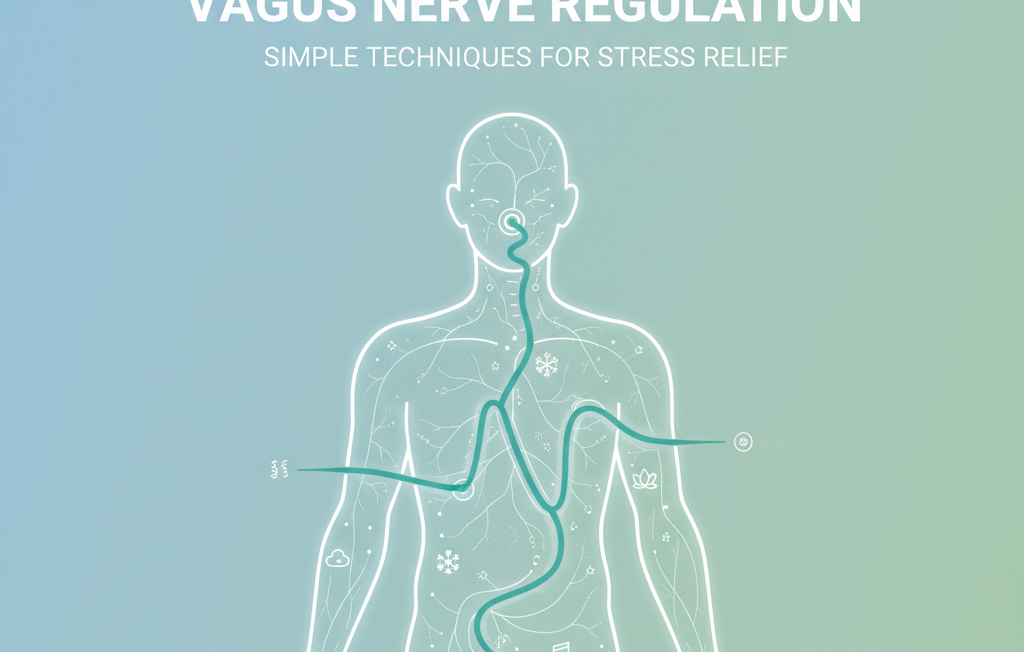
Vagus Nerve Regulation: Simple Techniques for Stress Relief
Stress is a common experience in our fast-paced lives, often leading to a cascade of physical and emotional challenges. But what if there was a simple way to mitigate stress and promote relaxation? Enter the vagus nerve. This remarkable nerve plays a critical role in the body’s stress response, and research over the past decade highlights the potential of vagus nerve exercises in enhancing well-being.
Key Takeaways
- The vagus nerve is a key player in regulating stress and emotional well-being.
- Simple techniques like deep breathing and cold exposure can stimulate vagus nerve activity.
- Engaging in mindfulness meditation has proven benefits for vagal tone.
- Singing, humming, or chanting can activate the vagus nerve and promote relaxation.
- Regular vagus nerve stimulation may improve mental health and reduce anxiety levels.
- Understanding the Goldilocks principle can help tailor stress relief techniques to individual needs.
Understanding the Vagus Nerve
The vagus nerve, often referred to as the “wandering nerve,” extends from the brainstem through the neck and into the chest and abdomen. It connects to various organs, including the heart and digestive system. This extensive network allows it to play a central role in the parasympathetic nervous system, which is responsible for promoting rest and recovery. When the vagus nerve is activated, it can counteract the fight-or-flight response triggered by stress, leading to a state of calm.
Simple Techniques for Activation
Deep Breathing Exercises
One of the easiest ways to stimulate the vagus nerve is through deep breathing. When practiced correctly, diaphragmatic breathing can enhance vagal tone and promote relaxation. Try inhaling deeply through your nose for a count of four, holding for a moment, and then exhaling through your mouth for a count of six. Repeat this for several minutes, focusing on the rhythm of your breath. Research shows that this simple practice can lower heart rate and reduce feelings of anxiety.
Cold Exposure
Cold exposure is another powerful technique. Splashing cold water on your face or taking a cold shower activates the vagus nerve, prompting a physiological response that can enhance mood and reduce stress. This technique is rooted in the concept of “shock," which stimulates the nervous system in a positive way. Just a few moments of cold exposure can invigorate the body and mind, providing a refreshing break from stressors.
Mindfulness Meditation
Mindfulness meditation not only helps calm the mind but also enhances vagal tone. By focusing on the present moment and observing your thoughts without judgment, you can create a space for relaxation and peace. Studies indicate that regular meditation practice can significantly improve mental health outcomes by promoting greater emotional regulation and resilience to stress.
Singing and Humming
Engaging in activities like singing, humming, or chanting can also stimulate the vagus nerve. These activities activate the vocal cords and stimulate the muscles at the back of the throat, which are connected to the vagus nerve. Whether you’re belting out your favorite song in the shower or humming a calming tune, these vocal exercises can help alleviate stress and improve overall mood.
The Goldilocks Principle
When it comes to implementing these techniques, remember the Goldilocks principle: not too much, not too little, but just right. Each individual may respond differently to various stress relief techniques, so it’s important to experiment and find the right balance. Some may find deep breathing to be their go-to method, while others might prefer cold exposure. Listen to your body and adapt your approach as needed.
Conclusion
The vagus nerve serves as a bridge between the brain and the body, offering a pathway to greater emotional regulation and stress relief. By incorporating simple techniques such as deep breathing, cold exposure, mindfulness meditation, and vocal exercises, individuals can harness the power of the vagus nerve to enhance their well-being.
Stress is inevitable, but how we respond to it can make all the difference. So, the next time you feel overwhelmed, consider taking a moment to breathe deeply, splash some cold water on your face, or belt out your favorite tune. These small actions may lead to significant changes, fostering resilience and peace in daily life.


MORE IN TRENDING

Useful gifts that don’t create clutter - Discover Lifestyle
It’s time to give gifts, and many of us find ourselves asking the same question: what would you like? It can be tough to answer when it often feels as though you already have anything you need. But we want to give a gift. What are we supposed to do? Thankfully, these useful gifts that […]
Adi Liad .
Getting hair extensions for the first time - what you need to know
If you’ve always dreamed of luscious locks but don’t want to wait too long, then hair extensions are the perfect option. They can help hair look healthy, vibrant, denser, and of course, longer. Some people really struggle to grow their hair, whether it’s from heat damage, color damage, or maybe it’s just having the freedom […]
Mia Pazz Maya .

Useful gifts that don’t create clutter - Discover Lifestyle
It’s time to give gifts, and many of us find ourselves asking the same question: what would you like? It can be tough to answer when it often feels as though you already have anything you need. But we want to give a gift. What are we supposed to do? Thankfully, these useful gifts that […]
Adi Liad .

Getting hair extensions for the first time - what you need to know - Discover Lifestyle
If you’ve always dreamed of luscious locks but don’t want to wait too long, then hair extensions are the perfect option. They can help hair look healthy, vibrant, denser, and of course, longer. Some people really struggle to grow their hair, whether it’s from heat damage, color damage, or maybe it’s just having the freedom […]
Mia Pazz Maya .

Useful gifts that don’t create clutter - Discover Lifestyle
It’s time to give gifts, and many of us find ourselves asking the same question: what would you like? It can be tough to answer when it often feels as though you already have anything you need. But we want to give a gift. What are we supposed to do? Thankfully, these useful gifts that […]
Adi Liad .