
Wellness-Driven Home Design: Key Principles for Creating Restorative Living Spaces
Wellness-driven home design creates restorative spaces by integrating natural light, biophilic elements like plants, open layouts, calming colors, soundproofing, and personalization to enhance mood, reduce stress, and promote well-being in homes where people spend most of their lives.
By Alzari on February 16, 2026
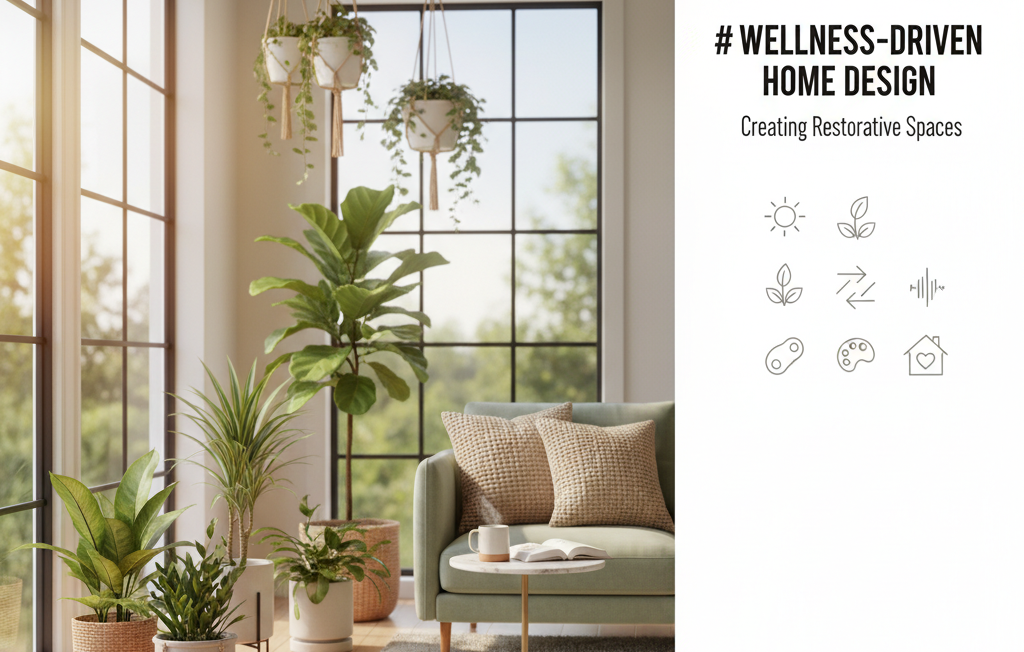
Wellness-Driven Home Design: Creating Restorative Spaces
Imagine stepping into your kitchen and feeling instantly uplifted by the natural light streaming through expansive windows. The air is fresh, and the layout encourages movement and interaction. This isn’t just a picturesque scene; it’s the embodiment of wellness-driven home design, a concept gaining traction as we increasingly recognize the impact our living spaces have on our well-being.
Key Takeaways
- Most people spend 90 percent of their lives indoors, with two-thirds of that time spent at home.
- Natural light and ventilation enhance mood and energy levels in living spaces.
- Incorporating biophilic design elements, like plants and natural materials, promotes mental well-being.
- Open floor plans can encourage social interaction and reduce feelings of isolation.
- Soundproofing and thoughtful acoustics improve relaxation and sleep quality in homes.
- Creating restorative spaces involves thoughtful color choices that evoke calm and positivity.
- Personalization in design can foster a sense of belonging and connection to one’s home.
Understanding Wellness-Driven Design
At its core, wellness-driven design acknowledges that our environments shape our emotions, energy, and even sleep quality. As Tamara Magel, a noted designer, points out, most of us remain indoors for the majority of our lives, yet few consider how our homes influence our daily experiences. The walls we inhabit can either energize us or drain us, and the difference often lies in how we choose to design those spaces.
A well-designed home goes beyond aesthetics; it's about creating an environment that nurtures. For instance, a kitchen bathed in sunlight, with natural airflow, can uplift spirits and encourage healthy cooking habits. On the other hand, dark, cramped spaces can evoke feelings of lethargy and discomfort.
The Role of Nature in Home Design
Biophilic design is a foundational element in crafting restorative spaces. Integrating nature into home environments—through indoor plants, natural materials, or even views of greenery—has been shown to reduce stress and enhance mental clarity. Research indicates that exposure to natural elements can lower cortisol levels, leading to a more tranquil home life.
Consider adding a living wall in your living room or strategically placing plants in areas where you spend the most time. The visual and psychological benefits of greenery are profound, not to mention they help purify the air, creating a healthier indoor atmosphere.
Layout and Flow: The Importance of Space
The layout of a home significantly influences how occupants interact with their environment and each other. Open floor plans can foster social connections, making it easier for families to engage and communicate. Conversely, a poorly designed layout can create barriers and feelings of isolation.
When designing or renovating, think about how spaces flow into each other. Are there areas that encourage gathering, or do walls create unnecessary divisions? A well-thought-out design promotes interaction, which is crucial for mental well-being.
Color and Acoustics: More Than Just Aesthetics
Color psychology plays a critical role in home design. Soft, warm tones tend to evoke feelings of calm and comfort, while brighter hues can stimulate creativity and energy. Choosing the right colors for different rooms—like serene blues for bedrooms and energizing yellows for kitchens—can have a direct impact on mood and behavior.
Furthermore, sound plays a vital role in our sense of well-being. In an age of constant noise, incorporating soundproofing materials or designing spaces that minimize echo can significantly improve relaxation and sleep quality. Consider using carpets, drapes, and specially designed acoustic panels to create a serene sound environment in your home.
Personalization: Making Spaces Your Own
Creating restorative spaces also involves infusing your personality into your home. Personalization fosters a sense of belonging and connection to one’s environment. This could be through artwork, family photos, or even DIY projects that reflect your values and interests.
Designing a home that is uniquely yours not only enhances comfort but also boosts happiness. It sends a message that your space is a sanctuary, tailored to support your lifestyle and promote wellness.
Conclusion
As we spend more time indoors, the design of our living spaces becomes increasingly vital to our health and happiness. Embracing wellness-driven home design is not just a trend; it’s a necessary evolution in how we think about our environments. It challenges us to create spaces that not only look good but feel good—spaces that rejuvenate, inspire, and heal.
So, take a moment to evaluate your own home. Are there areas that could benefit from natural light, greenery, or a fresh coat of paint? Start small, and remember: creating a restorative space is a journey, not a destination.




MORE IN TRENDING

Useful gifts that don’t create clutter - Discover Lifestyle
It’s time to give gifts, and many of us find ourselves asking the same question: what would you like? It can be tough to answer when it often feels as though you already have anything you need. But we want to give a gift. What are we supposed to do? Thankfully, these useful gifts that […]
Adi Liad .
Getting hair extensions for the first time - what you need to know
If you’ve always dreamed of luscious locks but don’t want to wait too long, then hair extensions are the perfect option. They can help hair look healthy, vibrant, denser, and of course, longer. Some people really struggle to grow their hair, whether it’s from heat damage, color damage, or maybe it’s just having the freedom […]
Mia Pazz Maya .

Useful gifts that don’t create clutter - Discover Lifestyle
It’s time to give gifts, and many of us find ourselves asking the same question: what would you like? It can be tough to answer when it often feels as though you already have anything you need. But we want to give a gift. What are we supposed to do? Thankfully, these useful gifts that […]
Adi Liad .

Getting hair extensions for the first time - what you need to know - Discover Lifestyle
If you’ve always dreamed of luscious locks but don’t want to wait too long, then hair extensions are the perfect option. They can help hair look healthy, vibrant, denser, and of course, longer. Some people really struggle to grow their hair, whether it’s from heat damage, color damage, or maybe it’s just having the freedom […]
Mia Pazz Maya .

Useful gifts that don’t create clutter - Discover Lifestyle
It’s time to give gifts, and many of us find ourselves asking the same question: what would you like? It can be tough to answer when it often feels as though you already have anything you need. But we want to give a gift. What are we supposed to do? Thankfully, these useful gifts that […]
Adi Liad .