
How to Take Better Photos with Just Your Phone
By Sam Bitton on July 3, 2026
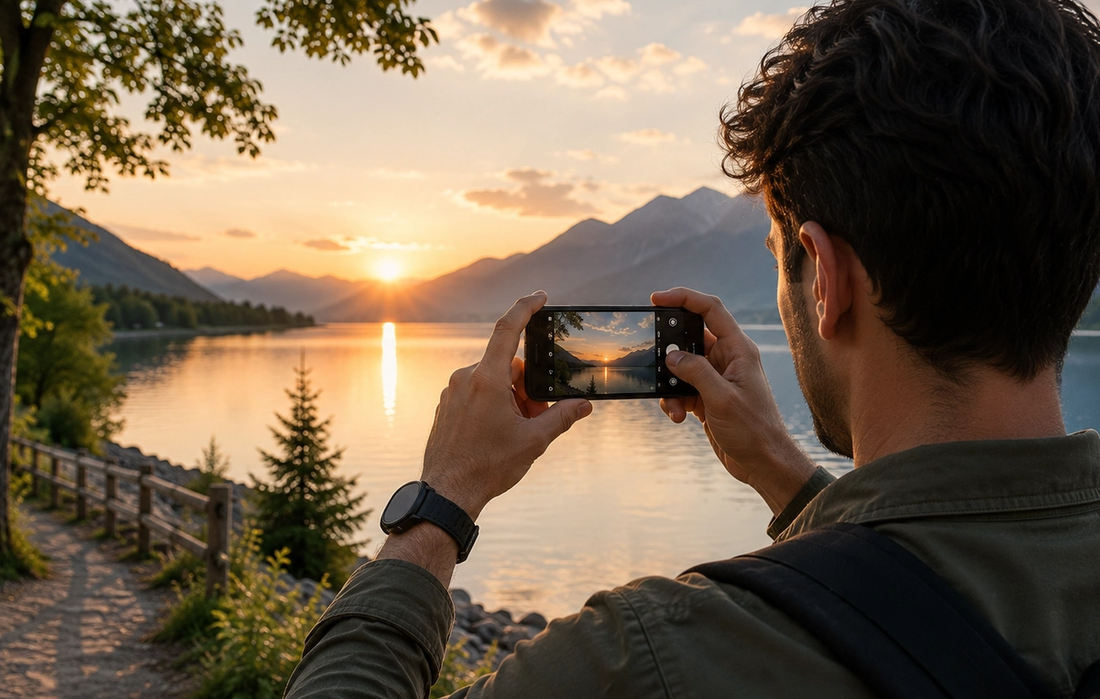
You don’t need an expensive camera to take beautiful photographs.
Modern smartphones have become remarkably powerful, with cameras capable of producing images that would have required professional equipment just a few years ago. While the technology has improved dramatically, the biggest difference between an ordinary photo and a memorable one usually isn’t the device—it’s how it’s used.
Many people assume they’re simply “not good at photography,” but taking better photos often comes down to a handful of simple techniques. Once you understand light, composition, and timing, you’ll start noticing improvements almost immediately.
The best part is that you can apply these ideas with the phone you already own.
Pay attention to the light
Lighting has a bigger impact on a photo than almost anything else.
Natural light is usually the easiest place to start. Early morning and late afternoon often produce softer, warmer light that makes people, landscapes, and buildings look more flattering. Midday sunlight, on the other hand, can create harsh shadows and make colours appear washed out.
When taking portraits, try facing your subject toward the light instead of placing the sun directly behind them.
If you’re indoors, standing near a window often produces much softer and more natural-looking results than relying entirely on artificial lighting.
Good light can make an ordinary scene look extraordinary.
Clean your camera lens
It sounds almost too simple, but it’s one of the most overlooked photography tips.
Your phone spends much of its time in your pocket, bag, or hand, which means the camera lens easily collects fingerprints, dust, and smudges. Even a tiny mark can make photos appear blurry or hazy.
Before taking a picture, quickly wipe the lens with a clean microfiber cloth or the soft edge of your shirt.
It takes only a few seconds, but the improvement in image quality is often surprisingly noticeable.
Think before you press the shutter
Many people lift their phone, point it at something, and immediately take the photo.
Instead, pause for a moment.
Look around the edges of the frame. Is there unnecessary clutter? Is something distracting in the background? Would taking one step to the left or right create a cleaner composition?
Often, small changes in your position make a much bigger difference than editing the photo later.
Photography is just as much about deciding what not to include as what to include.
Use natural framing and leading lines
Great photographs often guide the viewer’s eye naturally.
Look for paths, fences, bridges, doorways, windows, trees, or buildings that help frame your subject or lead attention toward it. These simple compositional techniques create more depth and make photos feel more intentional.
You don’t need to memorize complicated photography rules.
Simply paying attention to the shapes and lines already around you can dramatically improve your pictures.
The environment often provides everything you need.
Get closer instead of zooming
Digital zoom reduces image quality on many smartphones.
Whenever possible, walk closer to your subject instead of pinching the screen to zoom in. Getting physically closer usually produces sharper photos with more detail.
If moving closer isn’t possible, taking the photo normally and cropping it slightly afterward often gives better results than excessive digital zoom.
Sometimes your feet are the best zoom lens you have.
Keep your phone steady
Blurry photos are often caused by movement rather than poor camera quality.
Hold your phone with both hands whenever possible, rest your elbows against your body for extra stability, or lean against a wall if you need additional support.
When photographing in lower light, remaining still for just a moment after pressing the shutter allows the camera to capture a sharper image.
Small improvements in stability can noticeably increase image quality.
Don’t rely too heavily on filters
Editing can enhance a good photograph, but it shouldn’t completely transform it.
Instead of using strong filters, try making subtle adjustments to brightness, contrast, shadows, or colour temperature. Small edits often produce a more natural and timeless result than dramatic effects.
The goal is to improve the image while preserving the atmosphere that attracted you to the scene in the first place.
Less is often more.
Take multiple photos
Professional photographers rarely capture the perfect image with a single shot.
They take several versions, changing angles, expressions, composition, or lighting until they find the strongest one.
You can do exactly the same with your phone.
Taking five or ten photos instead of one dramatically increases the chances that one will stand out. Small differences in timing or expression often make all the difference.
The best photo is frequently the one you almost didn’t take.
Photography is about noticing
Perhaps the most valuable photography skill has nothing to do with your camera.
It’s learning to notice.
Notice beautiful light falling across a building. Notice reflections in puddles after rain. Notice interesting colours, textures, quiet moments, and genuine expressions. Great photographs often come from paying attention to ordinary things that other people walk past without seeing.
The more you observe the world around you, the more opportunities you’ll find to capture meaningful images.
Photography begins long before you press the shutter.
Your best camera is the one you already carry
It’s easy to believe better equipment automatically leads to better photographs.
While professional cameras certainly have advantages, creativity, observation, and thoughtful composition matter much more than most people realize. Today’s smartphones are capable of producing beautiful images when they’re used with care.
Instead of waiting until you own a more expensive camera, start practicing with the phone already in your pocket.
Experiment with different angles. Pay attention to light. Slow down before taking the photo. Capture moments that matter rather than trying to create perfect ones.
In the end, great photography isn’t about having the newest device.
It’s about learning to see the world a little more carefully—and your phone is more than capable of helping you do exactly that.










MORE IN TRENDING
How to Find Your Personal Style in 6 Steps
Sam Bitton .
How to Spot a Beauty Product That’s Actually Worth the Hype
Adi Liad .

The Privacy Settings Worth Changing on Every Device You Own
Roy Kaden Roi .

How to Spend Less Time on Your Phone Without Going Off-Grid
Roy Kaden Roi .

The Digital Habits of People Who Seem Calm Online
Jade Josef .