
The Habits of People Who Always Seem Calm
By Moran Sap on July 3, 2026
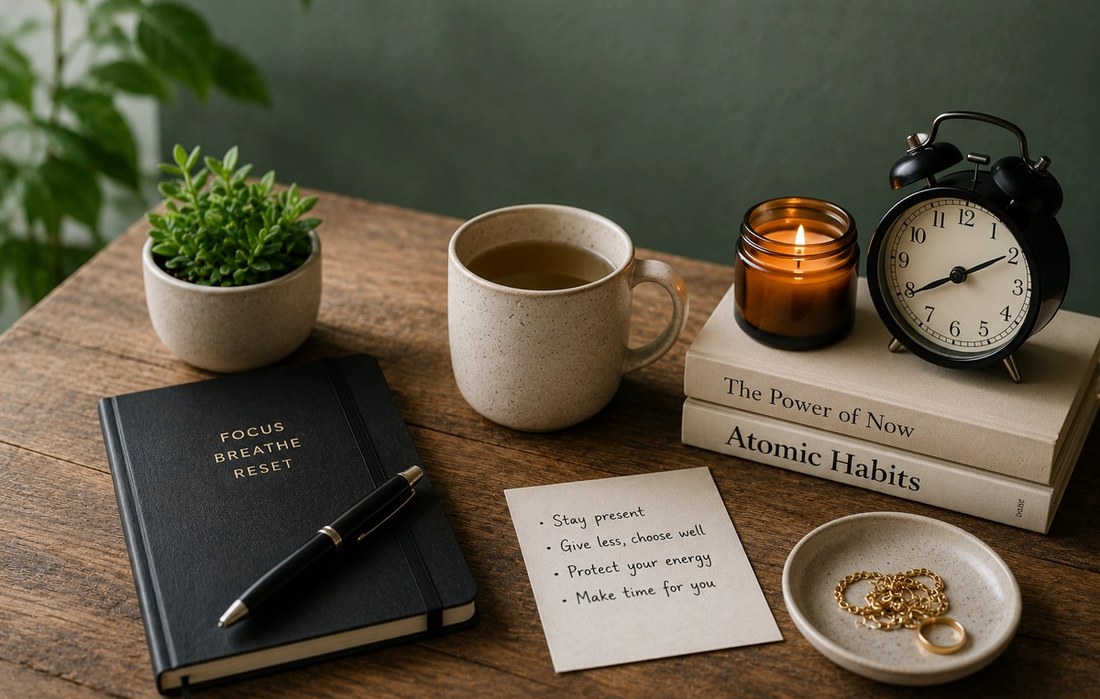
Everyone knows someone who seems remarkably calm, even when life becomes stressful.
They’re the person who stays composed during busy workdays, handles unexpected problems without panicking, and rarely appears overwhelmed by the same situations that leave everyone else feeling exhausted. It can seem as though they simply have a naturally relaxed personality or that nothing ever bothers them.
The truth is usually more complicated.
Calm people aren’t immune to stress. They experience deadlines, disappointments, family responsibilities, and uncertainty just like everyone else. The difference is often found in the habits they’ve developed over time. Rather than reacting to every challenge immediately, they’ve learned ways to manage their attention, energy, and emotions that help them stay grounded.
Being calm isn’t about avoiding difficult situations. It’s about responding to them differently.
They accept what they can’t control
One of the biggest sources of stress is spending energy on things we have little influence over.
Traffic delays, bad weather, other people’s opinions, unexpected setbacks, or decisions made by someone else can quickly consume our attention if we let them.
People who seem calm don’t ignore these situations, but they recognize the difference between what they can control and what they can’t.
Instead of worrying endlessly about circumstances beyond their reach, they focus their effort on the choices they can make. This mindset doesn’t eliminate problems, but it prevents unnecessary mental exhaustion.
They don’t treat every problem like an emergency
Modern life often encourages urgency.
Emails arrive marked as important, notifications demand immediate attention, and every task can begin to feel equally critical. Calm people tend to pause before reacting.
Rather than assuming every situation requires an instant response, they ask themselves whether something is truly urgent or simply feels urgent in the moment.
That small pause often leads to better decisions.
Not every message needs an immediate reply, not every disagreement needs to be solved today, and not every inconvenience deserves the same emotional energy.
Learning to separate genuine emergencies from everyday challenges is one of the quiet skills of staying calm.
They protect their routines
When life becomes busy, routines are often the first things people abandon.
Exercise gets postponed, sleep becomes irregular, healthy meals are replaced with convenience, and downtime disappears completely.
Ironically, these are often the habits that help people cope with stress in the first place.
People who appear calm usually protect a few simple routines even during demanding periods. They prioritize sleep, move their bodies regularly, make time to eat properly, and create moments to recharge.
These habits don’t eliminate stress, but they make it much easier to handle.
They aren’t constantly connected
Many calm people have one habit in common: they create boundaries around technology.
They don’t necessarily avoid smartphones or social media, but they don’t allow notifications to control every moment of the day. They understand that constantly switching between emails, messages, headlines, and social media can leave the mind feeling overloaded.
Creating periods without screens, turning off unnecessary notifications, or resisting the urge to respond instantly gives the brain opportunities to recover.
Calm often begins with protecting your attention.
They focus on one thing at a time
Multitasking often creates the illusion of productivity, but it usually increases stress.
Trying to answer emails during meetings, replying to messages while eating lunch, or thinking about tomorrow’s tasks while speaking to someone today divides attention into smaller and smaller pieces.
People who seem calm often do the opposite.
They give their attention fully to one task, one conversation, or one moment before moving on to the next.
This approach not only improves focus but also reduces the mental fatigue that comes from constant switching.
They know when to say no
One reason some people appear permanently overwhelmed is that they rarely turn down requests.
They agree to every invitation, volunteer for extra responsibilities, and constantly try to meet everyone else’s expectations.
Calm people understand that every yes also means saying no to something else—often their own rest, priorities, or wellbeing.
Setting healthy boundaries allows them to protect their time and energy without feeling guilty.
They recognize that it’s impossible to do everything, and they don’t try to.
They don’t expect life to be perfect
Many stressful situations become even more difficult because they clash with our expectations.
We expect plans to go smoothly, people to behave reasonably, and life to unfold exactly as we imagined.
Calm people tend to accept that setbacks, delays, misunderstandings, and unexpected changes are part of life.
This doesn’t mean they enjoy those experiences.
It simply means they aren’t shocked when things don’t go according to plan, making it easier to adapt when challenges arise.
Flexibility often creates more peace than perfectionism.
They make time for quiet
Modern life rarely leaves much space for silence.
Many people fill every spare moment with music, podcasts, videos, or endless scrolling. While there’s nothing wrong with entertainment, constantly consuming information leaves little room for reflection.
People who seem calm often make time for quiet.
Whether it’s taking a walk, reading a book, drinking coffee without distractions, or simply sitting alone for a few minutes, these moments allow the mind to slow down.
Silence isn’t empty.
It’s often where clarity begins.
Calm is something you practice
It’s easy to assume that some people are simply born calmer than others.
While personality certainly plays a role, much of what we perceive as calmness comes from repeated habits rather than natural talent.
Choosing what deserves your attention, protecting your routines, setting boundaries, slowing down before reacting, and accepting what you cannot control are all skills that improve with practice.
No one stays calm all the time.
Even the people who appear most composed have stressful days and difficult moments. The difference is that they’ve built habits that help them recover more quickly instead of remaining overwhelmed.
In the end, calm isn’t the absence of challenges.
It’s the result of learning how to meet those challenges without allowing them to control every part of your life. And like any worthwhile habit, it grows stronger with every small choice you make.






MORE IN TRENDING
How to Find Your Personal Style in 6 Steps
Sam Bitton .

How to Spot a Beauty Product That’s Actually Worth the Hype
Adi Liad .
The Privacy Settings Worth Changing on Every Device You Own
Roy Kaden Roi .

How to Spend Less Time on Your Phone Without Going Off-Grid
Roy Kaden Roi .

The Digital Habits of People Who Seem Calm Online
Jade Josef .