
How to Live Below Your Means Without Feeling Deprived
By Jade Josef on July 3, 2026

For many people, the phrase “live below your means” sounds like giving things up.
It brings to mind strict budgets, saying no to everything enjoyable, and constantly worrying about every purchase. It’s easy to assume that spending less automatically means living a smaller or less exciting life.
In reality, living below your means isn’t about deprivation. It’s about creating financial freedom.
When you consistently spend less than you earn, you reduce financial stress, build savings, prepare for unexpected expenses, and give yourself more options in the future. The goal isn’t to stop enjoying life—it’s to make intentional choices so that your money supports what matters most to you.
The people who manage money well aren’t always the ones earning the most. They’re often the ones who spend with purpose rather than habit.
Know where your money is actually going
Before changing your spending habits, it’s important to understand them.
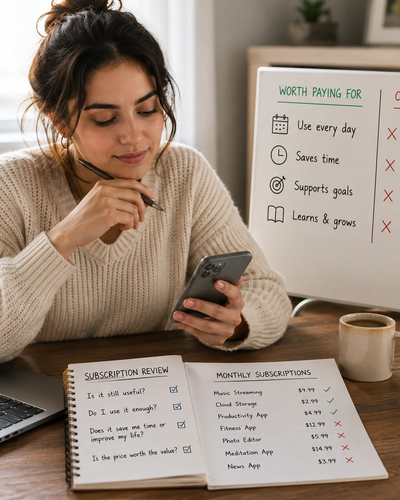
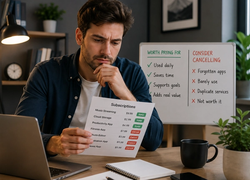
Many people have a general idea of their monthly expenses, but they’re surprised when they carefully track where their money goes. Small purchases—a daily coffee, food delivery, impulse shopping, or unused subscriptions—can quietly add up over time.
Tracking your spending isn’t about judging yourself.
It’s simply about creating awareness.
Once you know where your money is going, you can decide whether those purchases genuinely improve your life or have simply become automatic habits.
Awareness is often the first step toward better financial decisions.
Spend intentionally, not impulsively
One of the easiest ways to live below your means is to slow down your purchasing decisions.
Many impulse purchases happen because something feels exciting in the moment. A sale, a limited-time offer, or a product that’s suddenly trending can create a sense of urgency that disappears after a day or two.
Before buying something, pause and ask yourself a few simple questions.
Do I actually need this? Will I still be happy I bought it next month? Does it improve my life, or am I buying it because I’m bored, stressed, or influenced by advertising?
Giving yourself time to think often prevents purchases you’ll later regret.
Focus on what adds real value
Living below your means doesn’t require cutting everything you enjoy.
Instead, identify the things that genuinely make your life better and spend confidently on those while reducing expenses that matter less.
For one person, that may be travelling. For someone else, it might be books, fitness classes, quality food, or time with family.
The goal isn’t to spend as little as possible.
It’s to spend intentionally on the things that create lasting satisfaction rather than temporary excitement.
When your spending reflects your values, budgeting feels much less restrictive.
Avoid lifestyle inflation
One common financial trap is increasing spending every time your income increases.
A raise at work often leads to a more expensive apartment, a newer car, more frequent dining out, or larger monthly expenses. Before long, the extra income disappears completely.
Living below your means means resisting the urge to upgrade everything simply because you can.
Instead, consider directing part of every salary increase toward savings, investments, or paying off debt while allowing yourself to enjoy some of the additional income.
This approach improves your lifestyle without allowing expenses to grow just as quickly as earnings.
Learn to enjoy simple pleasures
Many of life’s most meaningful experiences aren’t the most expensive ones.
Walking through your favourite park, cooking a meal with friends, reading a good book, spending an afternoon at the beach, visiting family, or enjoying a quiet evening at home often creates memories that cost very little.
Modern advertising constantly suggests that happiness can be purchased.
Real life often tells a different story.
Learning to appreciate simple experiences reduces the pressure to spend money every time you’re looking for enjoyment.
Contentment becomes much easier when happiness isn’t tied to consumption.
Build savings before you need them
Saving money can sometimes feel less exciting than spending it.
The rewards aren’t immediate, and progress often feels slow.
But having savings changes how you experience everyday life. Unexpected expenses become less stressful. Career changes feel more possible. Emergencies become manageable instead of overwhelming.
Financial security doesn’t happen overnight.
It grows through consistent habits repeated month after month.
Even small amounts saved regularly can create significant peace of mind over time.
Stop comparing your spending to other people’s
Social media makes it easy to believe everyone else is constantly travelling, renovating their home, buying new clothes, or eating in expensive restaurants.
What we rarely see are their financial circumstances, priorities, savings goals, or debts.
Comparing your spending to someone else’s lifestyle almost always creates unnecessary pressure.
Instead, compare your financial choices to your own long-term goals.
The purpose of living below your means isn’t to impress other people.
It’s to create a life that feels stable, flexible, and sustainable for you.
Buy quality when it truly matters
Living below your means doesn’t always mean buying the cheapest option.
Sometimes investing in quality saves money over time.
A durable winter coat, comfortable shoes, reliable kitchen equipment, or a well-made mattress may cost more initially but often lasts for years longer than cheaper alternatives.
The difference is buying thoughtfully rather than frequently.
Choosing fewer, better-quality items usually leads to less waste and greater long-term value.
Financial freedom is built one decision at a time
Living below your means isn’t about saying no to everything.
It’s about making thoughtful choices that leave room for both enjoying today and preparing for tomorrow.
Small daily decisions—tracking expenses, avoiding impulse purchases, cooking at home more often, saving consistently, and spending intentionally—may not seem dramatic on their own.
But over months and years, they create something far more valuable than temporary excitement.
They create options.
In the end, living below your means isn’t really about spending less.
It’s about worrying less. It’s about giving yourself the freedom to make decisions based on what matters most instead of constantly feeling pressured by money. And once you experience that kind of freedom, it rarely feels like deprivation at all.








MORE IN TRENDING
How to Find Your Personal Style in 6 Steps
Sam Bitton .

How to Spot a Beauty Product That’s Actually Worth the Hype
Adi Liad .
The Privacy Settings Worth Changing on Every Device You Own
Roy Kaden Roi .
How to Spend Less Time on Your Phone Without Going Off-Grid
Roy Kaden Roi .

The Digital Habits of People Who Seem Calm Online
Jade Josef .